

We often think growth needs long sessions, big plans, or rare breakthroughs. Yet much of human change begins in very small windows of time. A pause before replying. A breath before reacting. A kind look during a tense meeting. These are micro-moments, and they shape both personal life and group life more than many people notice.
Micro-moments are brief, intentional acts that shift our state, our choices, and our effect on others.
In our experience, this idea feels simple at first. Then it becomes profound. A whole day can turn on ten seconds of awareness. A relationship can soften in one honest sentence. A team can regain trust through repeated small signals of safety and respect.
Small moments change direction.
Why tiny moments matter so much
The brain and body are always reading the present. We react, adjust, and learn in real time. Because of that, short experiences can leave a mark, especially when they happen often. One isolated pause may seem minor. Ten pauses a day can change how we speak, decide, and relate.
We see this in emotional regulation. When we notice stress early, we are less likely to spread it. When we catch harsh self-talk quickly, we reduce its reach. When we choose a grounded response in a group, we create a better social tone for everyone else.
Science supports this pattern. In a micro-randomized trial on brief momentary interventions, short practices such as gratitude, savoring, and acceptance improved positive affect in the near term. Some also reduced negative affect, and the broader results showed gains in well-being, anxiety, and depression by the end of the intervention period.
That matters because it tells us something practical. We do not always need a perfect setting or a full hour. Sometimes we need thirty seconds used well.
What a micro-moment looks like in daily life
Most micro-moments are easy to miss because they do not look dramatic. They happen in the middle of ordinary life. We may be washing a cup, reading a message, entering a room, or hearing feedback we did not want to hear.
Here are common forms they take:
A slow breath before answering a hard question.
A brief note of gratitude before sleep.
A decision to relax the jaw and shoulders during stress.
A moment of eye contact that tells someone, “I am here.”
A short mental reset after a mistake instead of harsh self-judgment.
We once saw this clearly during a busy week. One person on a team started every meeting with just fifteen seconds of silence. No speech. No performance. Just a reset. At first, it felt small. By the end of the week, interruptions had dropped, people listened better, and the room felt less defensive.
The value of a micro-moment is not in its size, but in the shift it creates.

How micro-moments support group growth
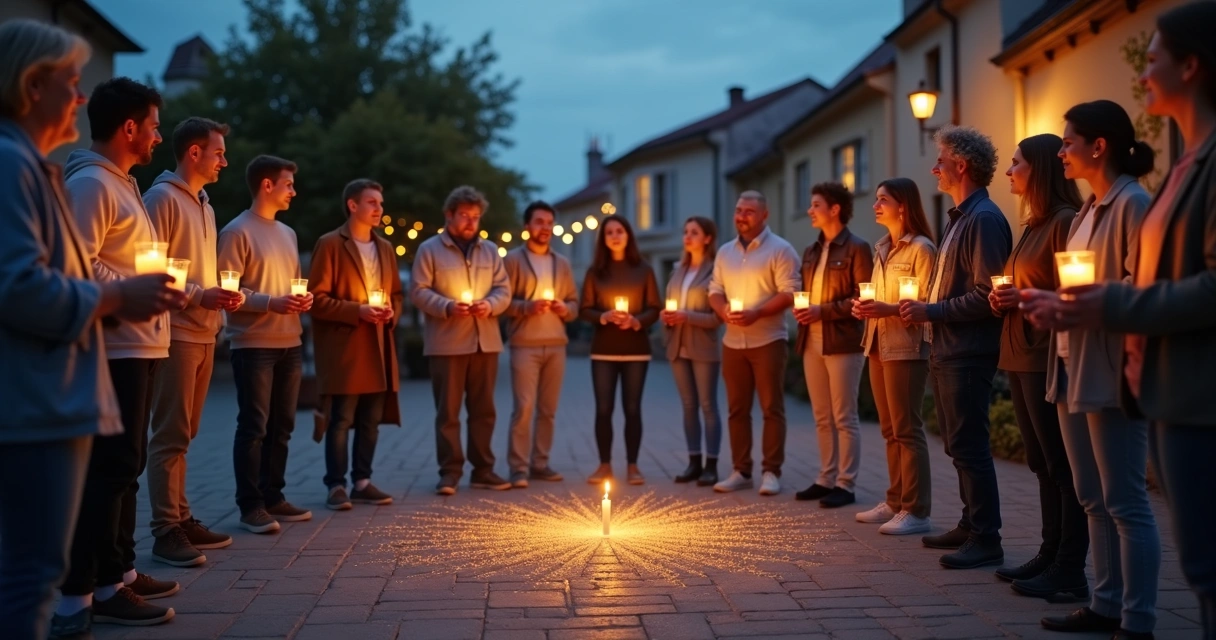
Groups do not grow only through plans and structures. They also grow through repeated social signals. Every interaction teaches the group what is safe, expected, and valued. That is why small moments matter so much in families, teams, classrooms, and communities.
A short respectful response can lower tension. A clear apology can restore movement. A few seconds of real attention can stop someone from withdrawing. Over time, these moments become culture.
Research also points in this direction. In longitudinal findings on meaningful peer social interactions, momentary social contact with meaning was linked to lower loneliness and better affective well-being. In-person contact showed even stronger effects in many contexts.
This helps explain why group development is not only about formal sessions. It is also about how we greet, listen, pause, repair, and include. The group becomes what it practices in small moments.
How to build a micro-moment practice
We think people do better when the method is simple. If the practice is too complex, it gets abandoned. A good micro-moment routine should fit into real life, especially during pressure.
A useful sequence can look like this:
Notice the cue. This may be tension, noise in the mind, conflict, or fatigue.
Pause briefly. Even five to ten seconds can help.
Choose one act. Breathe, relax, name the feeling, or offer one kind sentence.
Return with intent. Speak, listen, or decide from a steadier place.
We also find that it helps to tie micro-moments to events that already happen every day. This removes the need to “find extra time.”
Before opening email, take one breath.
Before meals, name one thing that is good right now.
Before entering a meeting, relax the shoulders.
After conflict, ask one clarifying question instead of assuming.
Before sleep, recall one moment of meaning from the day.
Consistency beats intensity when we are shaping daily awareness.
Examples that change both self and group
Some micro-moments focus inward. Others move directly into the social field. The strongest routines often include both.
For self-growth, we can use:
A ten-second body scan when stress rises.
A short acceptance phrase during frustration.
A quick gratitude note after a hard task.
For group growth, we can use:
Beginning a conversation by asking what matters most right now.
Thanking someone for a specific action in front of the group.
Taking a shared pause when discussion becomes reactive.

These actions are small, but they are not superficial. They work because they interrupt automatic patterns and replace them with conscious ones. That changes mood, thought, and behavior. It also changes what other people receive from us.
What gets in the way
Many people resist micro-moments because they seem too small to matter. We understand that reaction. It is common. We are trained to look for big answers. Yet daily life is built from repeated details.
Other people forget in the heat of the moment. That is normal too. The answer is not self-criticism. It is design. Put cues where life happens. A note on the desk. A reminder before calls. A shared pause rule in meetings.
Some groups also mistake speed for strength. They move so fast that reflection feels like delay. In reality, a brief reset often prevents avoidable harm. Less reactivity. Better listening. Cleaner decisions.
Pause first. Repair less later.
Conclusion
The science of micro-moments points to a hopeful truth. Growth does not wait for ideal conditions. It can begin in the next breath, the next sentence, the next choice. When we repeat these small acts with care, we train our inner life and shape our shared life at the same time.
We do not need to force transformation. We need to practice presence in small, real moments. That is where self-development becomes visible. That is where group growth becomes lived experience.
Frequently asked questions
What are micro-moments in personal growth?
Micro-moments in personal growth are short periods of awareness or action that influence our emotions, thoughts, and behavior. They can last a few seconds or a minute, such as pausing before reacting, noticing tension in the body, or practicing gratitude during the day.
How to use micro-moments daily?
We can use micro-moments daily by attaching them to existing routines. For example, we can breathe slowly before meetings, reflect for a few seconds before sending a message, or end the day by recalling one meaningful event. Simple repetition helps these moments become natural.
Can micro-moments help group development?
Yes. Micro-moments help group development because they shape trust, listening, and emotional tone in real time. Small acts such as pausing before conflict, offering clear appreciation, and giving full attention in conversation can improve how groups relate and work together.
Are micro-moments backed by science?
Yes. Research on brief momentary practices has found short-term gains in positive affect and broader gains in well-being over time. Studies on meaningful social interactions also show that small, real-time moments of connection are linked to lower loneliness and better emotional well-being.
What are the best micro-moment examples?
Good examples include one conscious breath before speaking, a quick gratitude note, relaxing the body during stress, asking one honest question in a tense conversation, and taking a brief shared pause at the start of a group meeting. The best example is the one we can repeat in daily life.