

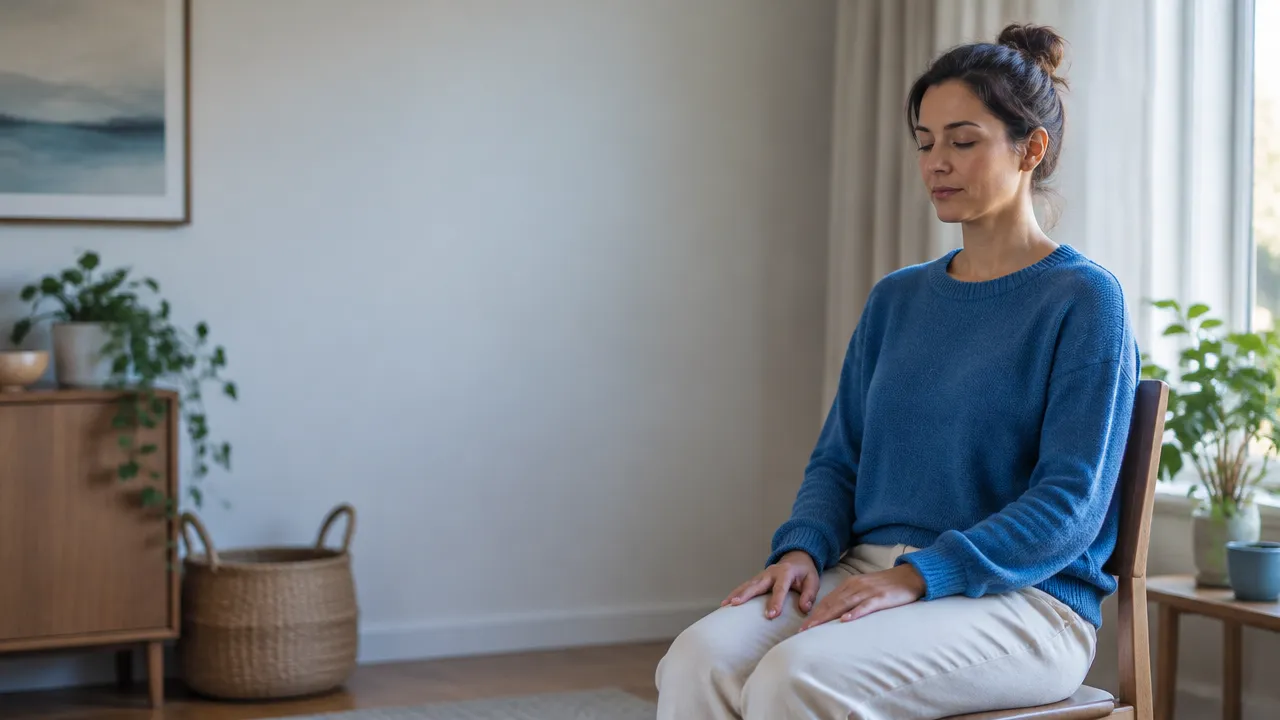
Mindfulness meditation is a practical way to train attention and create a pause between feeling and action. It can help beginners notice thoughts, emotions, and body signals without treating every one of them as a command. The goal is not an empty mind, but a more deliberate response in everyday life.
Key points to take with you
- Wandering attention is expected; noticing and returning is the practice.
- Start with a short session and a clear anchor, such as breath or sound.
- Choose a technique that feels workable, rather than forcing stillness.
- A pause in your own reactions can change the tone of a conversation or decision.
What does mindfulness meditation actually train?
It trains the ability to notice what is happening now and to redirect attention with less automatic judgment. You might notice breathing, a tight jaw, a worry about tomorrow, or a sound in the room. The practice is to register the experience, then choose whether to stay with it or return to your chosen focus.
This distinction matters because meditation is not a test of concentration. A mind that wanders is not failing. Each time you recognize that it wandered and gently come back, you practice awareness and a small act of self-direction.
In daily life, that pause can create room to ask: “What is happening in me, and what response would be useful?” A short practice for conscious presence can extend that awareness beyond a formal session and into ordinary routines.
How can you begin with a simple five-minute practice?
Start with five minutes, a comfortable position, and one anchor. You do not need special clothing, a particular room, or a perfectly quiet mind. Set a timer if it helps you avoid checking the clock.
- Settle: Sit in a way that feels supported. Let your hands rest and soften your shoulders.
- Choose an anchor: Notice the natural sensation of breathing, such as air moving at the nose or the rise of the abdomen.
- Notice: When thoughts, sounds, or sensations pull your attention away, acknowledge that gently.
- Return: Bring attention back to the anchor without criticizing yourself.
- Close: Notice how you feel, then choose one small next step before resuming your day.
If breath focus feels uncomfortable, use sounds in the room or the contact of your feet with the floor. You are practicing flexible attention, not proving that one specific method works for everyone.
How does a body scan support grounding?
A body scan directs attention through physical sensations, helping you notice tension, temperature, pressure, or contact with the floor. It is a useful alternative when breath-focused practice feels too narrow, and it can be done seated or lying down.
Move attention gradually from your feet toward your head. At each area, notice what is present without requiring the sensation to change. You can soften a muscle if that feels natural, but the purpose is observation rather than forcing relaxation.
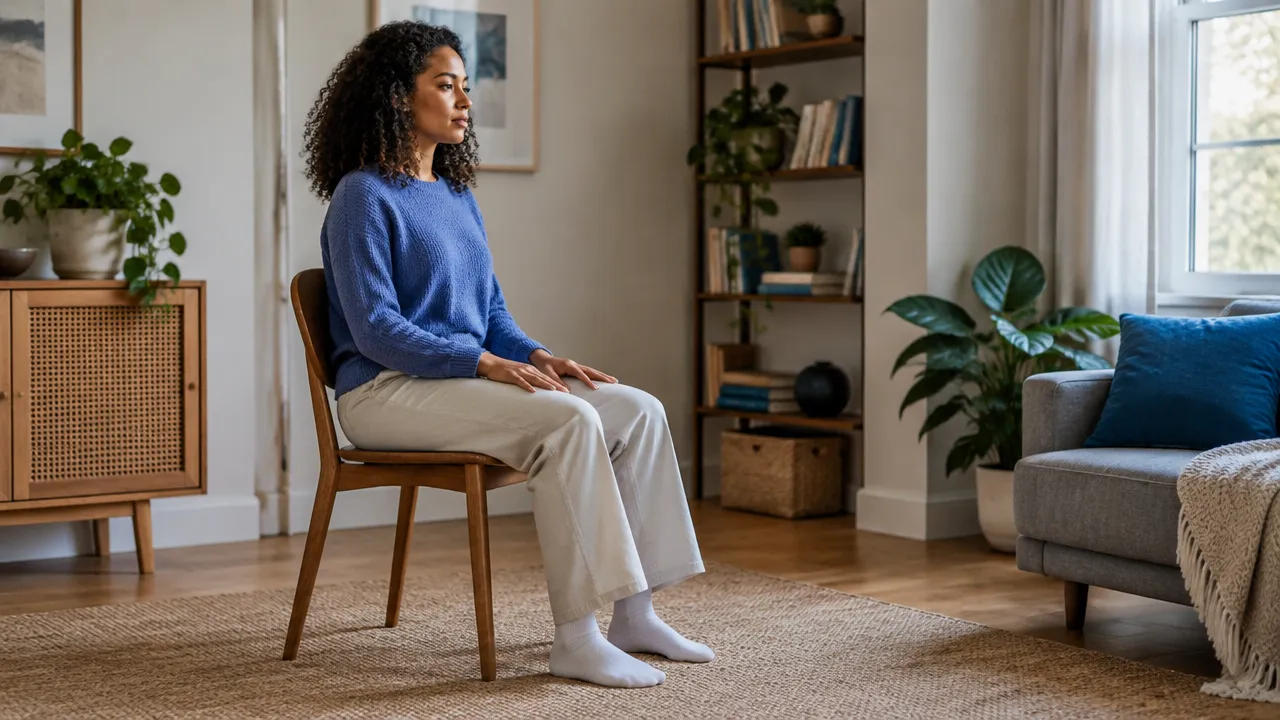
Keep the practice gentle. If an area feels uncomfortable or draws too much attention, move on or return to an external anchor, such as a nearby sound. The choice to shift focus is part of self-regulation, not a reason to judge yourself.
How can noticing feelings change your response?
Mindful awareness can help you identify an emotional reaction before it becomes an impulsive reply. For example, you may notice heat in your face and a quick urge to interrupt during a tense meeting. Naming the feeling silently gives you a moment to decide whether to ask a question, take a breath, or wait.
This is not about suppressing anger, anxiety, or disappointment. Feelings can carry useful information, but they do not have to dictate the next action. Practicing that distinction in low-pressure moments may make it easier to use when a conversation becomes difficult.
Self-regulation also has a relational dimension. A less reactive response can affect how a disagreement unfolds and how safe others feel speaking honestly. Explore how emotional self-regulation shapes group outcomes when considering how individual habits ripple into shared environments.
Which mindfulness practice should you choose?
Choose a practice based on what helps you stay present without adding strain. Breath awareness is simple and portable; a body scan emphasizes physical cues; mindful walking uses movement; and mindful listening anchors attention in sounds.
| Practice | Useful when | Starting anchor |
|---|---|---|
| Breath awareness | You want a simple seated routine | Natural breath sensations |
| Body scan | You want to notice tension or contact | One body area at a time |
| Mindful walking | Sitting still feels difficult | Footsteps and movement |
| Mindful listening | Internal focus feels distracting | Nearby sounds |
Try one approach for several short sessions before deciding whether it suits you. If a method consistently increases distress, change the anchor, shorten the session, or seek support rather than treating discomfort as something you must push through.
How can you bring presence into everyday life?
Formal meditation is only one setting for practicing awareness. Choose a routine action, such as making tea, walking to a meeting, or washing dishes, and give it your attention for a minute. Notice sensory details and the moment your mind shifts elsewhere, then return to the task.
Use a small cue to remember: before opening an email, feel your feet; before answering a difficult question, take one unforced breath. These brief pauses are not a substitute for resolving a problem. They can help you meet the problem with more clarity and less automatic momentum.
Consistency matters more than building an impressive streak. A realistic plan might be a few minutes several days a week, attached to a routine you already have. For ideas that fit into ordinary schedules, try small moments of daily presence as opportunities to notice how personal choices affect the people around you.
When should you adjust or pause the practice?
Meditation should be adaptable. Keep your eyes open, sit near a familiar object, switch from internal sensations to external sounds, or stop if the practice becomes overwhelming. There is no requirement to continue a session that feels destabilizing.
If difficult reactions persist or interfere with daily life, discuss them with a qualified mental health professional. Mindfulness can be one supportive skill, but it is not a guaranteed treatment or a replacement for appropriate care. The most useful practice is one that supports awareness while respecting your needs and limits.
Frequently asked questions
What is mindfulness meditation in simple words?
Mindfulness meditation is a deliberate practice of noticing present-moment experience, such as breathing, sounds, thoughts, and bodily sensations, while practicing a less reactive response. The aim is not to stop thought or feel calm on command. It is to recognize what is happening and choose where attention goes next.
How do you practice mindfulness meditation?
Begin by sitting comfortably and choosing one anchor, such as the feeling of breathing. Notice when attention wanders, name the distraction gently, and return to the anchor. Continue for a few minutes without judging how well you are doing. The return is part of the practice, not a mistake.
How can I reset my mind in five minutes?
A five-minute reset can create a pause, though it cannot guarantee that every difficult feeling will disappear. Sit or stand with your eyes open, feel your feet on the ground, and notice a few natural breaths. Name what you feel, then choose one small next action rather than reacting automatically.
What is the most effective mindfulness technique?
The most effective technique is the one you can practice consistently and safely. Breath awareness works well for some people, while a body scan, walking practice, or mindful listening may feel more accessible to others. Start with one method, observe your response, and adjust the anchor or duration as needed.
Who should be cautious about mindfulness meditation?
Mindfulness is not equally comfortable for everyone at every moment. If focusing inward brings up intense distress, traumatic memories, or disorientation, stop and orient to your surroundings; consider practicing with a qualified mental health professional. You can also keep your eyes open, use external sounds as an anchor, or choose another grounding activity.