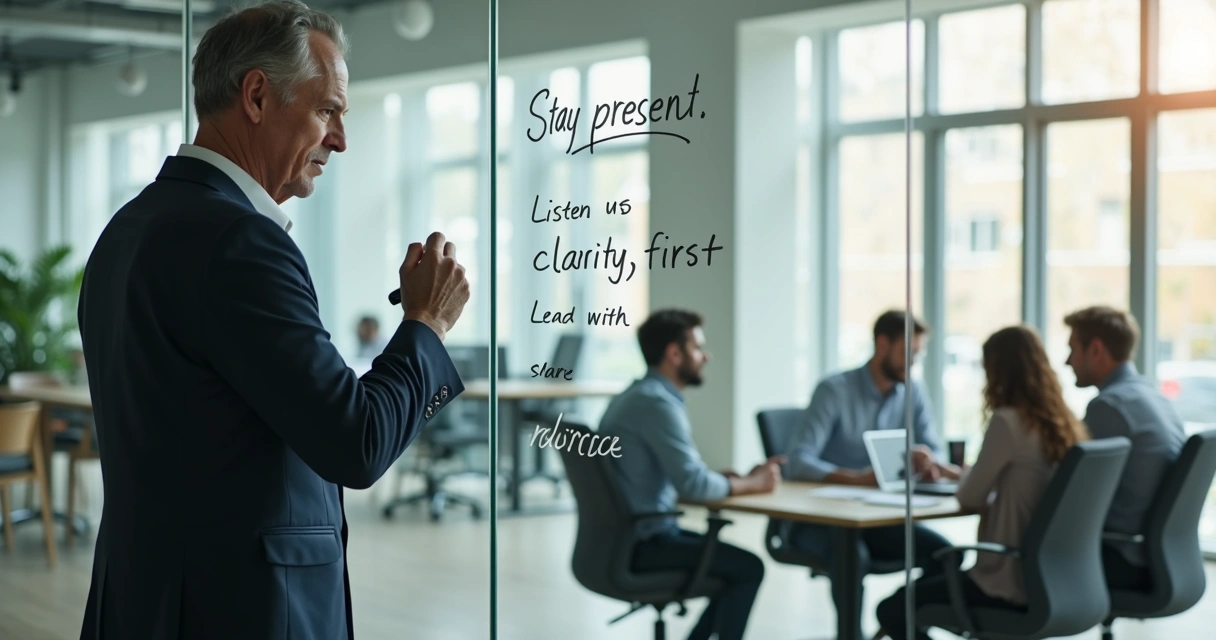


In the fast-changing workplace of 2026, influence holds more value than authority. As digital tools, hybrid teams, and new work cultures keep shifting our days, the skills that truly shape our impact are not always loud or obvious. We think it's often the quieter, almost invisible habits that set the most trusted, respected, and followed professionals apart.
Influence begins long before you speak up in a meeting.
Below, we look at seven real habits quietly crafting your influence at work—habits that, in our experience, leave traces on teams, projects, and culture, even when no one is watching. These aren't theoretical. They're noticed daily in how leaders motivate, how peers listen, and how ordinary days build reputation and trust.
1. Listening with intent, not just hearing
We all know what it feels like to speak and not truly be heard. That's why, in our experience, the habit of intentional listening transforms relationships and teams in ways we underestimate. It’s not only about making eye contact or nodding at the right moments. It’s about pausing before replying. Repeating back what was heard to confirm real understanding.
Colleagues sense when our focus is genuine. When we listen with intent, we notice undercurrents: the unspoken tension in a project meeting, or the excitement hiding behind a quiet idea. We have seen that people who develop this habit build the kind of trust that can shift the mood of an entire room.
2. Staying calm under stress
Work in 2026 can be full of last-minute changes, hybrid team miscommunications, and new tech challenges. Reactivity is common. But there is something quietly magnetic about those who pause before reacting, breathe, and speak with calm.
This doesn’t mean hiding emotions. It means choosing how we present them. In our research, we found that others look to the calmest person during a crisis, especially as teams navigate uncertainty. This presence steadies everyone, gives permission to pause, and builds influence wordlessly.

3. Giving credit often and sincerely
In our daily routines, recognition sometimes disappears in the rush. Yet, a habit of giving genuine credit—to teams, peers, even new voices—stands out more now than ever. Praise that’s specific and public, but never performative, softens competition and brings people together.
We have noticed that professionals who do this consistently are remembered not for constant self-promotion but for amplifying others. These are the people whose opinions carry weight long after projects end.
4. Following through on promises
A small promise kept is remembered longer than a big one broken. We all make commitments daily: to deliver reports, check in with colleagues, send information, or back ideas. Whether these are formally tracked or casually promised, people notice consistency.
In our experience, the habit of doing what we say, even if it’s minor, builds invisible capital with everyone we interact with. Over time, this repeated dependability leads others to trust us with bigger opportunities.
5. Practicing presence in every interaction
Presence is more than attendance in meetings. It is the habit of setting aside devices, distractions, and multitasking when someone speaks. We believe being truly present—even for just five focused minutes—signals value, respect, and care for people.
Employees and leaders who anchor themselves fully in a conversation often find their influence grows, because people feel they matter. Presence can deflate conflict, ease the nerves in one-on-ones, and turn even small conversations into meaningful ones.
6. Seeking feedback before acting
We all know the temptation to act quickly or assume we have the full picture. But we have seen that those who quietly seek feedback, especially from voices less heard, build trust and credibility much faster. This is especially true in hybrid or remote-first teams.
- They ask: “What do you think?” instead of “Here’s what I think.”
- They make adjustments based on input, showing that every opinion matters.
- They welcome correction and see it as growth, not criticism.
This openness signals humility and a willingness to improve. In our practice, these habits help turn projects into collaborative wins and prevent avoidable mistakes.

7. Modeling ethical choices, even when it’s tough
With competing priorities and changing rules, the path of least resistance can seem easiest. Yet the professionals we most admire make a habit of ethical decision-making, even when it means inconvenience or letting go of short-term wins.
Sometimes, all it takes is a quiet “I’m not comfortable with this approach,” or redirecting a conversation toward shared values. We have witnessed teams change direction and deepen their collective standards because one person stood firm, gently but clearly.
Small acts of honesty build lasting respect.
What makes these habits work for 2026?
We notice the modern workplace is less about hierarchy, more about networks and connection. Each of these habits bridges gaps—between generations, backgrounds, and even physical distance.
Technology continues to change how we work, but people and their trust remain at the center. Influence comes from habits that place others first, stay curious, and act with care, not just strategy.
Are these habits really visible?
Often, colleagues don’t openly acknowledge these habits, but they do respond. They share more during meetings, ask for guidance, or include us in decisions. Influence is built not with one grand gesture, but with a thousand small daily actions.
In our experience, these seven habits have become quiet signals of trust and positive influence at work in 2026.
Conclusion
Influence rarely comes from loud displays or formal job titles in 2026. Instead, we see it built day by day, in the smallest habits. Intentional listening, calm presence, sincere recognition, reliability, deep attention, feedback-seeking, and unwavering ethics each leave a silent but deep mark on workplace culture.
As we step into ever-changing work realities, practicing these habits does not promise instant recognition. But over time, they quietly shape how we are seen, included, and followed.
Frequently asked questions
What are the 7 key habits?
The seven habits are: listening with intent, staying calm under stress, giving credit often, following through on promises, practicing presence, seeking feedback before acting, and modeling ethical choices. Each of these habits quietly boosts our influence at work.
How do these habits increase influence?
By practicing these habits consistently, we build trust, signal respect, and create environments where others feel valued. People naturally gravitate toward those who make them feel heard, safe, and recognized, which increases our informal influence across teams.
Is it worth practicing these habits?
Yes, it is. These habits foster positive relationships, improve workplace collaboration, and can open future opportunities. Influence built through small, quiet actions tends to be lasting and respected.
How can I measure my influence?
We can measure influence by observing how often colleagues seek our input, trust us with tasks, and involve us in key decisions. Notice if people follow your suggestions or invite you to new projects—these are signs of real influence.
Which habit matters most in 2026?
While all the habits are meaningful, listening with intent stands out in 2026. In increasingly digital and hybrid environments, those who truly listen set themselves apart, building the deepest connections and trust.